Why Are Ants Crossing My Las Vegas Kitchen Counter?
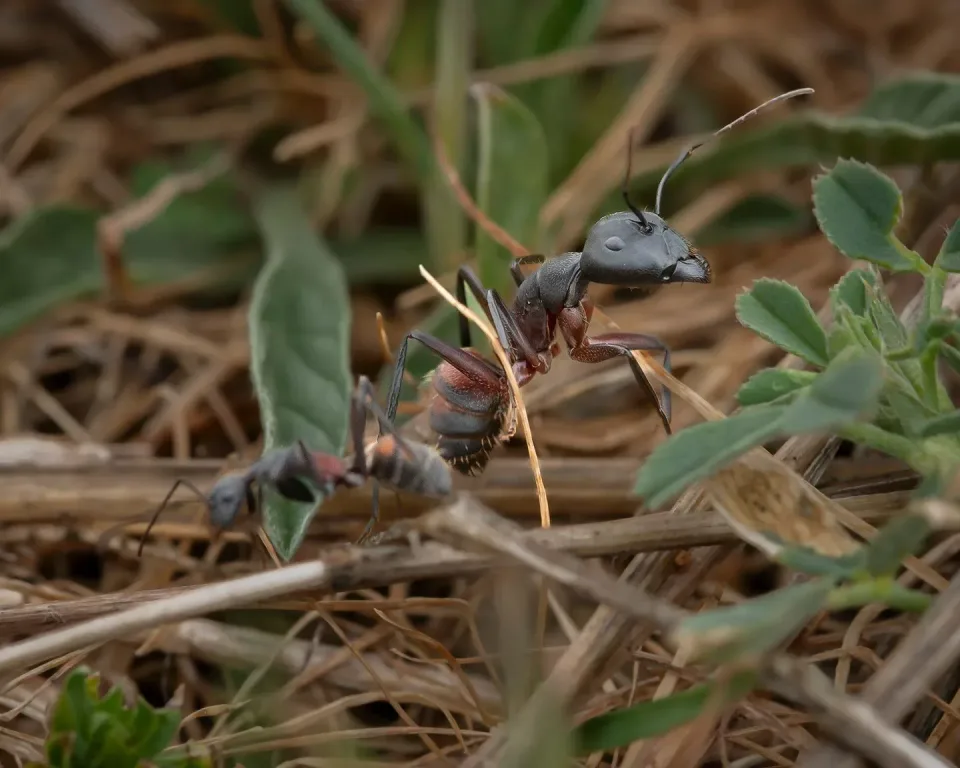
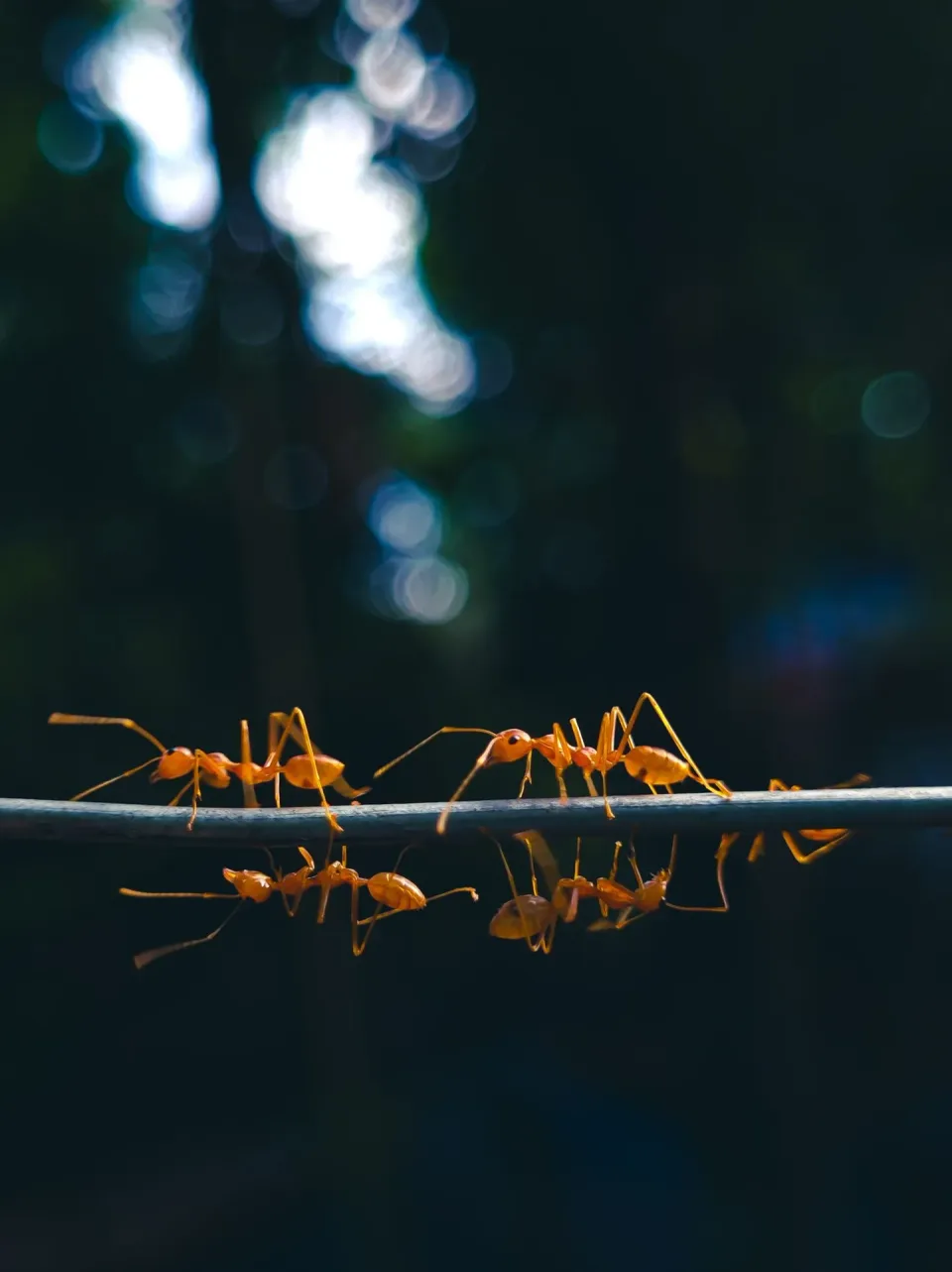
Ants crossing a kitchen counter are usually following a food or water trail, so wipe the route and look for where it begins before reaching for a spray. A few workers can point to a larger source nearby.
On calls, “I just want to nip it in the bud” usually means the homeowner wants the trail addressed before it spreads; start by removing crumbs, sealing food, and noting the ants’ route. “I need somebody to come out and kill them” signals frustration, but killing visible workers alone may leave the source untouched.
Las Vegas Strip businesses and homes alike face everyday pest pressure, while prolonged desert summer heat can increase pest activity. For recurring entry, rodent entry sealing in Las Vegas is a separate exclusion need not a substitute for tracing an ant trail. We inspect and explain the next step.
Why do trails reach the counter?
Ants use repeatable routes between food, water, and a harborage. A sticky spill, open pet-food bowl, or damp spot beneath a sink can keep a route active after the countertop looks clean. Follow workers rather than spraying them immediately; the direction of travel may reveal a gap at a pipe, cabinet edge, or window. One missed source can undo a careful wipe-down.
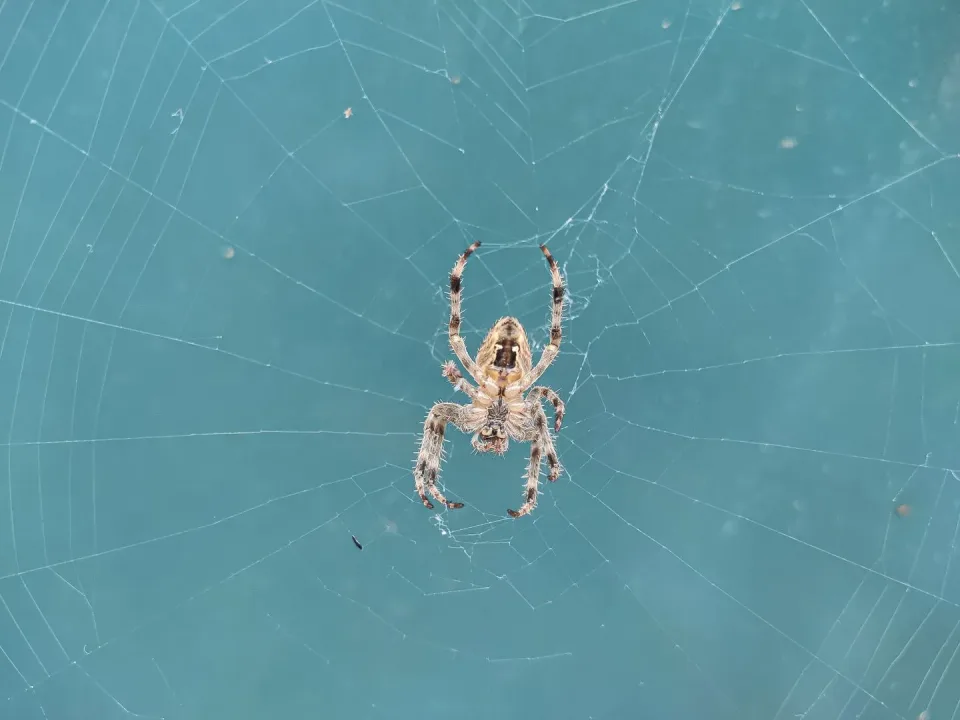
Spring warming increases ant and spider activity, so a trail that returns after a quiet winter may reflect renewed movement around the home. Clean the route with soapy water, dry the surface, and store food in sealed containers.
We look for the entry point and the conditions sustaining activity before recommending treatment. That inspection step matters more than treating every visible ant.
Does Las Vegas heat change the response?
Hot weather can make pest activity more noticeable, and it also affects how some products perform. Do not apply a household spray over food, dishes, or a surface used for food preparation.
Read the product label and keep children and pets away as directed. Dry indoor air can affect cockroach bait placement, so a cockroach problem needs its own assessment rather than an ant product placed by guesswork.
The Las Vegas Strip is a familiar local landmark, but kitchens across the valley share the practical issue: food residues and small gaps can draw insects indoors. We select treatment based on the identified pest and site, not simply on where ants are easiest to see. If you also notice cockroaches after dark, our guide to why cockroaches appear after dark in Nevada homes explains why that symptom calls for a different response.
When should you call an ant-control pro?
Try cleanup and food storage first if you see a short-lived trail and can identify its food source. Call for an inspection if trails keep returning, appear in several rooms, or persist after sanitation changes. Repeated trails may point to a concealed entry or an outdoor source that a countertop wipe cannot reach.
We inspect kitchens, likely entry points, and the conditions around the building, then explain which treatment fits the findings. Nevada Pest Solutions has served Nevada for more than 10 years; our Nevada Department of Agriculture–licensed pest control operator evaluates the problem before recommending a plan.
Ask for a clear explanation of where treatment would go and what preparation is needed. For details about Ant Control, see the service page.
What else can seasonal pest activity signal?
Autumn temperature drops drive rodents indoors, so new sounds or droppings near stored food deserve attention beyond the ant trail. Those signs call for a separate inspection rather than applying ant treatment to a rodent issue.
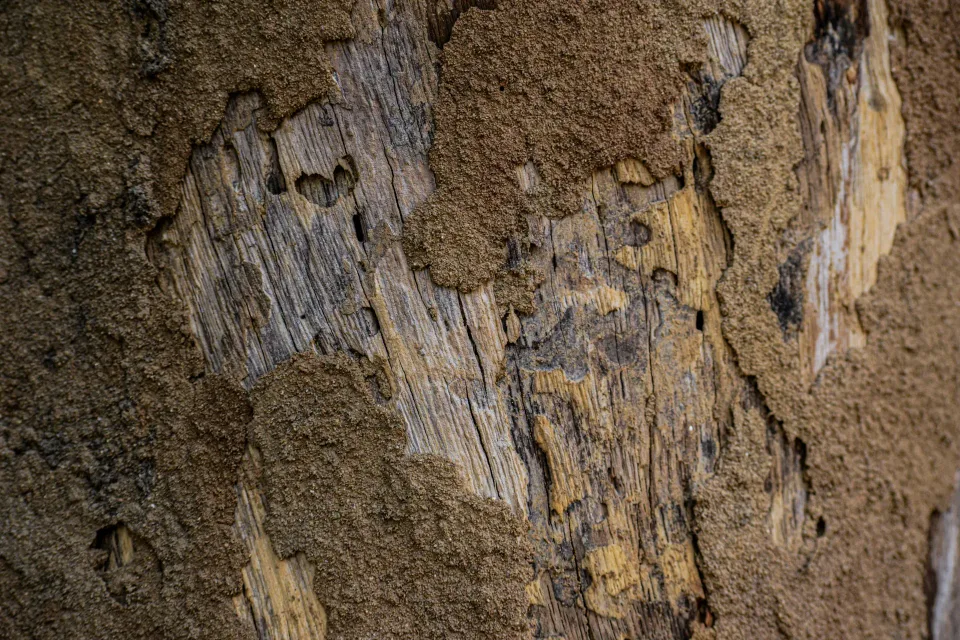
If a home needs termite inspection or termite treatment, we explain those findings and options separately. A wasp nest near an entry also requires a different assessment; wasp nest removal in Las Vegas should not be attempted by spraying an unidentified nest at close range. We focus on the pest, its location, and the safest practical next action.
Which Counter Ant Treatment Option Fits the Problem?
The right choice depends on whether ants are arriving from outside, already active indoors, or returning after an earlier visit. Hoover Dam is a regional landmark, but the useful comparison at home is between finding the source and treating the activity.
| Option | Best for | Key detail |
|---|---|---|
| Initial pest inspection | Repeated trails with no obvious source | Identifies routes and conditions before treatment |
| One-time corrective treatment | A current, localized problem | Addresses findings from the visit; it does not monitor reinfestation |
| Recurring general pest service | Homes with repeat pest activity | Follow-up monitors changing activity and coverage needs |
| Interior pest treatment | Ants already active inside | Targeted crack-and-crevice applications treat labeled locations rather than broad food surfaces |
| Exterior perimeter treatment | Reducing entry from outside | Complements indoor source-finding; exposed applications can need reassessment after weather |
For a house near Interstate 80, ask the technician to explain how the inspection and selected treatment address the actual trail. Lake Tahoe Nevada State Park is a distinct regional setting, not a reason to assume every Nevada property needs the same plan.
How Do I Prepare for Ant Treatment at Home?
A trail keeps returning beside the sink, and the kitchen is used throughout the day. Start by identifying the route and preparing the room so the technician can inspect rather than work around clutter. Downtown Summerlin is a recognizable local destination; for customers there, as elsewhere in the valley, clear appointment details help avoid missed access.
-
Confirm the pest: Describe where ants appear, when the trail is active, and whether it has returned after cleaning.
-
Arrange access: Confirm tenant and property-manager access, then provide gate codes and parking instructions.
-
Clear work areas: Remove items beneath sinks and move appliances only when it is safe and practical to do so.
-
Protect food items: Store food and dishes before treatment, and avoid spraying food-contact surfaces yourself.
-
Secure pets: Keep pets away from the work area as directed before the technician arrives.
-
Review instructions: Follow the product-label re-entry interval and ask where treated areas will be located.
-
Plan follow-up: Ask whether activity should be monitored and when another visit is appropriate for the treatment plan.
Monsoon thunderstorms can bring summer rain and localized flooding, so mention recent water intrusion or damp areas during the inspection. Check the access plan and treatment instructions before the appointment.
Get a Clear Plan for Las Vegas Counter Ants
A clean counter helps, but a trail that returns needs its route and source identified. Clean spills, store food securely, and note where workers enter before deciding whether the issue is beyond household prevention.
Hot weather increases pesticide evaporation and pest activity, so treatment choices should account for conditions and product directions rather than relying on repeated, unplanned spraying. In the Boulder City Historic District, as in other Nevada communities, homes and surrounding conditions differ; our inspection is based on the property, not a one-size-fits-all assumption.
Nevada Pest Solutions explains what we find and what treatment makes sense. Contact our team at (877) 729-2528 to discuss the trail or request Ant Control.