What Does Nevada Scorpion Control Certification Require?
Scorpions hiding inside shoes call for careful control, not a casual spray; Nevada applicator credentials and pesticide-label directions help determine who may apply a product and how. For a homeowner, the practical question is whether the treatment fits the pest, property, and label not simply whether someone owns a sprayer.
Rain can remove some perimeter applications, so a plan may need to account for weather and where scorpions are entering. A missed visit can leave exposed routes untreated.
We inspect likely access points and explain the proposed method before work begins. If you own an apartment building with bed bug concerns, arrange a site assessment before selecting treatment; if a mouse problem is the issue, describe where you have seen activity so the inspection can focus on those areas. Nevada Pest Solutions serves properties across Nevada, including homes near the Las Vegas Strip.
What does certification mean for scorpion control?
Certification is not a blanket approval for every pesticide task. Nevada pesticide applicator certification has category-specific requirements, so the relevant credential depends on the work and product involved.
Nevada Revised Statutes Chapter 555 addresses pesticide control, while Nevada Administrative Code Chapter 555 supplies related regulations. A customer can ask which Nevada Department of Agriculture licensing applies to the proposed work and what product is planned.
That question is useful before a technician treats a home, especially where children, pets, or shared property areas affect access. We explain the proposed application and follow the product’s directions rather than treating a credential as permission to ignore label limits.
How do Nevada conditions affect a treatment plan?
Scorpions may enter through gaps around foundations and utility openings, so we look for routes as well as signs of activity. Around Lake Tahoe Nevada State Park, a home’s setting may make local site conditions especially important to discuss before selecting an approach.
Southern Nevada’s low annual rainfall also shapes the exterior setting, but it does not guarantee that a treatment will last indefinitely. Keep expectations grounded in the actual product label and the condition of the treated area.
When should you call a certified applicator?
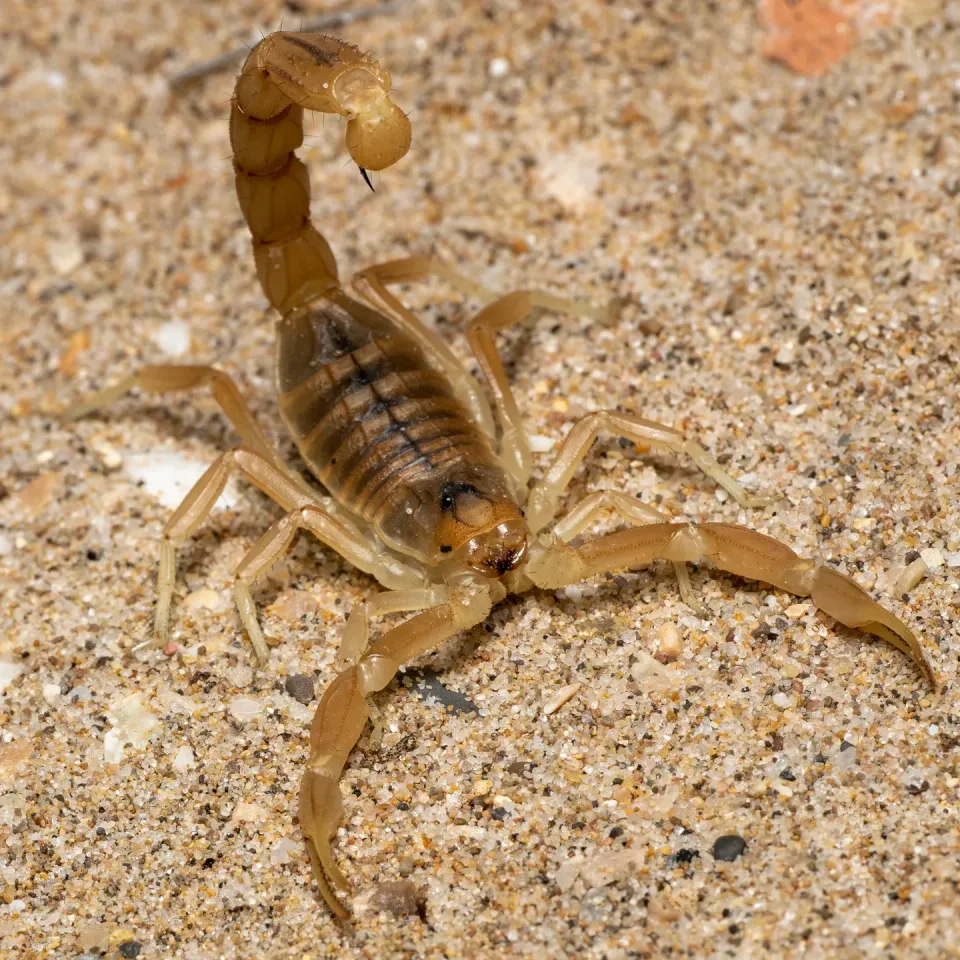
A single scorpion sighting may justify checking shoes, storage, and likely entry points first. Repeated sightings, activity in several rooms, or uncertainty about the pesticide are better reasons to call a professional than to apply an unfamiliar product yourself.
Hot weather can raise both pest activity and pesticide evaporation, making product choice and placement important; more chemical is not a substitute for correct application. We inspect the home, explain the proposed treatment, and identify practical prevention steps.
Someone researching a Nevada home purchase may find a termite inspection guide useful for a different concern, but termite inspection is not a substitute for a scorpion assessment.
What should you ask about product safety?
Ask the applicator to identify the product and explain the label’s directions, including any reentry instructions that apply. The Federal Insecticide, Fungicide, and Rodenticide Act governs pesticide registration and labeling; FIFRA labeling means the product must be used according to its directions.
A Safety Data Sheet can provide additional information about handling and hazards, but it does not replace the label. Avoid treating occupied spaces yourself if you cannot determine the proper product, application site, and precautions.
We document where treatment is applied and explain what the household should do next. A walk through the Nevada State Museum in Carson City may be a local point of reference, but pest decisions should be based on the home inspection not the landmark.
Which Scorpion Control Option Fits the Property?
Choose an approach after an inspection identifies the pest, activity, and conditions at the home. A route near Interstate 80 or U.S. Route 95 does not by itself determine the treatment; property findings do. Keep the distinction clear.
| Option | Best for | Key detail |
|---|---|---|
| Initial pest inspection | Confirming activity and likely entry points | Starts with the property, not a guessed product |
| One-time corrective treatment | Addressing identified activity | One visit addresses findings; it does not promise no reinfestation |
| Recurring general pest service | Monitoring ongoing pest pressure | Follow-up frequency should reflect activity and site risk |
| Exterior perimeter treatment | Targeting exterior routes | Exterior work and interior treatment address different locations |
In the Boulder City Historic District, discuss the building’s specific features during inspection rather than assuming a standard treatment fits every property.
How to Prepare for a Scorpion Control Visit
A private-property inspection lets the technician connect reported sightings with entry points and treatment locations. Desert summer heat can affect scheduling and application conditions, so share access details when booking. Keep it simple.
-
Describe sightings: Note where and when scorpions appeared, including whether one was found inside a shoe.
-
Confirm access: Provide gate codes and parking instructions, and make sure the technician can reach the relevant rooms and exterior areas.
-
Secure the home: Follow the technician’s preparation directions for children, pets, and household items before treatment.
-
Review product instructions: Ask what product will be used and follow its label for application precautions and reentry.
-
Discuss the site: Mention irrigated areas near the building, since localized moisture can help focus the inspection.
-
Arrange follow-up: Agree on any monitoring or return visit based on observed activity and the treatment plan.
For a property near the Elko Convention Center, use the same practical checklist: report the pest, arrange access, and ask what the inspection will cover.
Need Help Understanding Scorpion Control in Nevada?
Scorpion control starts with confirming the problem, checking access points, and selecting a treatment that fits the label and property. Do not apply a pesticide if you cannot confirm its intended use and precautions.
We serve Nevada homes, including properties around Downtown Summerlin, where a technician’s inspection should guide the plan rather than assumptions about the neighborhood. For scorpions hiding in shoes or recurring inside the home, tell us where you have seen them and what steps you have already taken.
Nevada Pest Solutions can inspect the site, explain the recommended approach, and answer questions about preparation. Request an assessment through our Scorpion Control service.